Whale-watching planning hub
Plan the whale trip, not just the cruise
Choose the month, vessel and mainland base in that order, then protect the booking with a weather buffer.
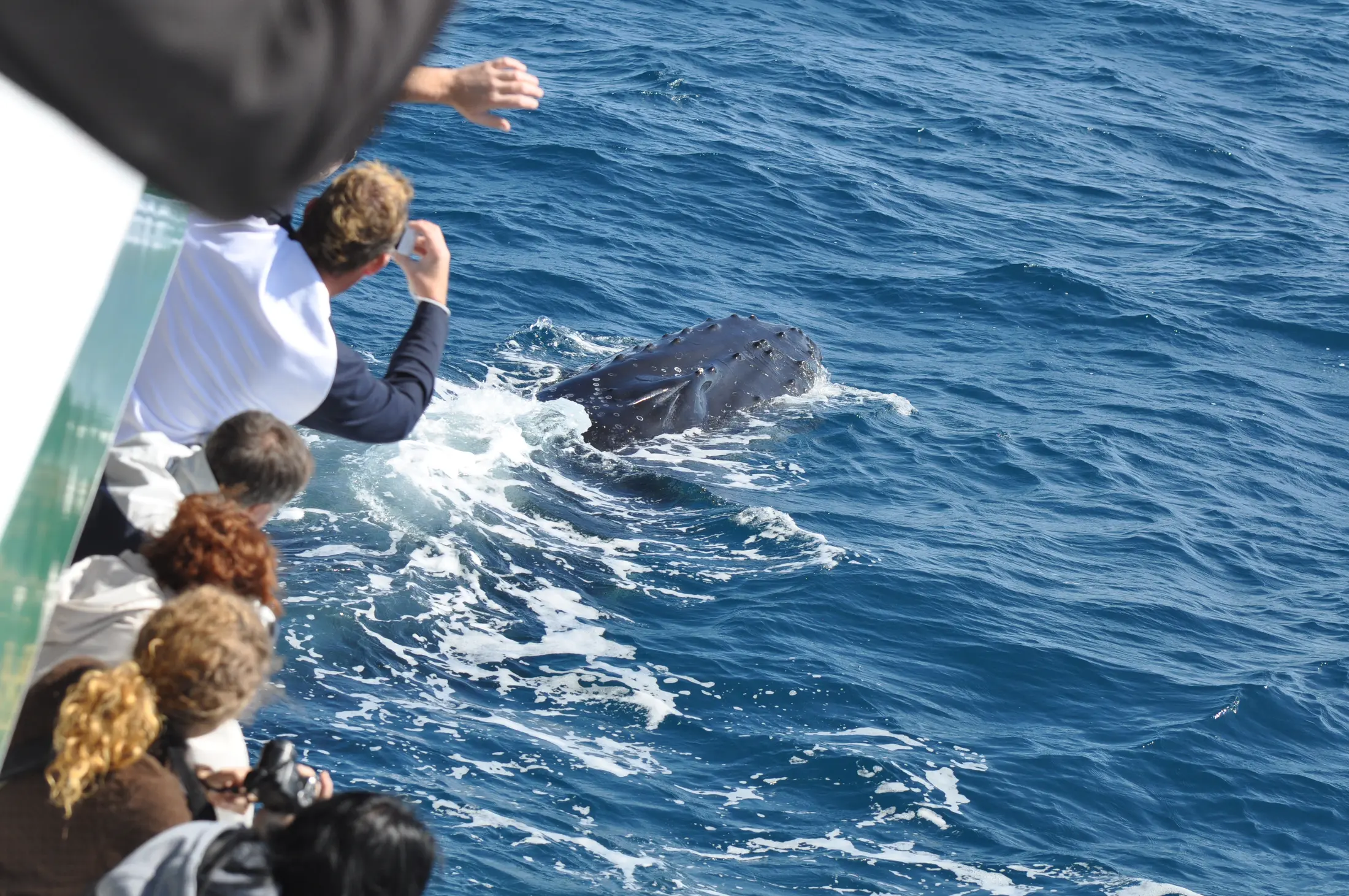
Platypus Bay · Photo Annette Teng · CC BY 3.0 · Resized and may be cropped for web displayHervey Bay’s useful advantage is the shape of the trip: a protected-bay wildlife experience, several vessel formats and a marina precinct that can remove early-morning transport risk. No page can guarantee whale behaviour or a sailing.
Step 1
Choose the season window
Start with operator calendars for the exact year, then use broad whale patterns only as context.
Compare the season →Step 2
Choose the vessel
Compare duration, motion, shade, toilets, boarding and viewing areas for the people actually travelling.
Compare operators →Step 3
Choose the base
Marina-side accommodation reduces transfer risk; Esplanade areas trade that for more beach and dining options.
Choose a marina stay →Families
Plan for children and motion
Age rules, rails, quiet space, trip length and seasickness planning matter more than a generic family label.
Add the family layer →Comparisons
Test the destination choice
Use a consistent comparison of season, sea conditions, land-based holiday fit and travel time.
Start the comparisons →Before departure
Check live conditions
Weather, warnings and the operator’s final message override a general planning guide.
Open live sources →Decision rule: use August or September only as a general mid-season default, not a promise. Recheck the operator’s dated calendar, departure marina, vessel and weather terms before payment.